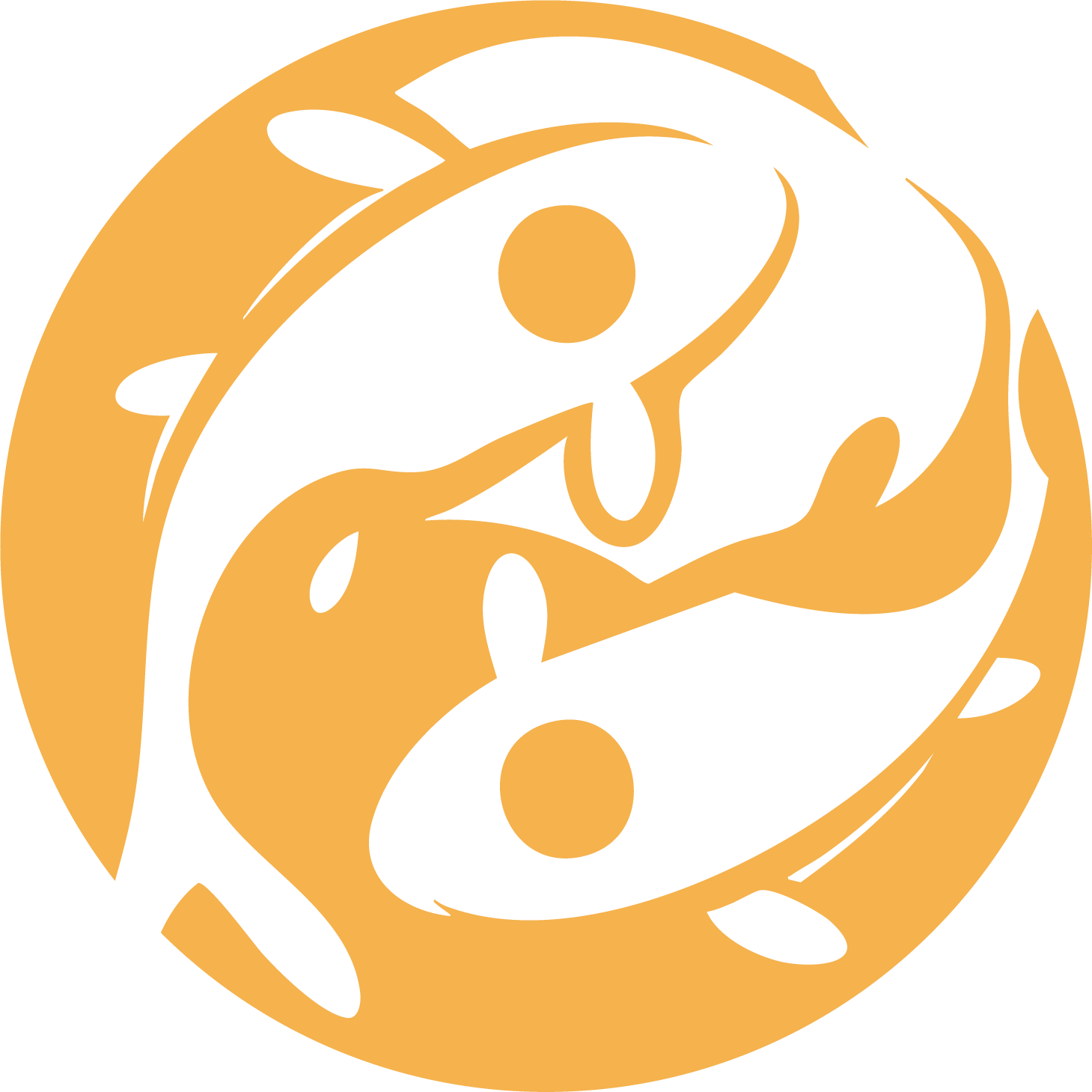


Yin and Yang (陰陽) is a fundamental philosophical principle in Traditional Chinese Medicine dating back over 2,000 years. This concept explains that everything in nature consists of two opposing yet complementary forces. When Yin and Yang are balanced, the body remains strong and healthy.
Yin represents cool, calm, gentle energy associated with moisture, rest, and nighttime. Yang represents warm, active energy associated with heat, movement, and daytime. In the body, Yin and Yang regulate the function of various organs and systems.
When Yin and Yang are imbalanced, the body shows various symptoms. Excess Yang may cause internal heat, irritability, and insomnia. Excess Yin may cause feeling cold easily, fatigue, and bloating. TCM practitioners diagnose Yin-Yang balance to plan appropriate treatment.
Balancing Yin and Yang can be achieved through various methods: acupuncture to stimulate appropriate points, Chinese herbs that nourish Yin or boost Yang, choosing foods suitable for your body condition, and lifestyle adjustments.
Understanding Yin-Yang principles helps us take better care of our health—eating warm foods when feeling cold, eating cooling foods when feeling hot, getting adequate rest, and exercising regularly to maintain body balance.