

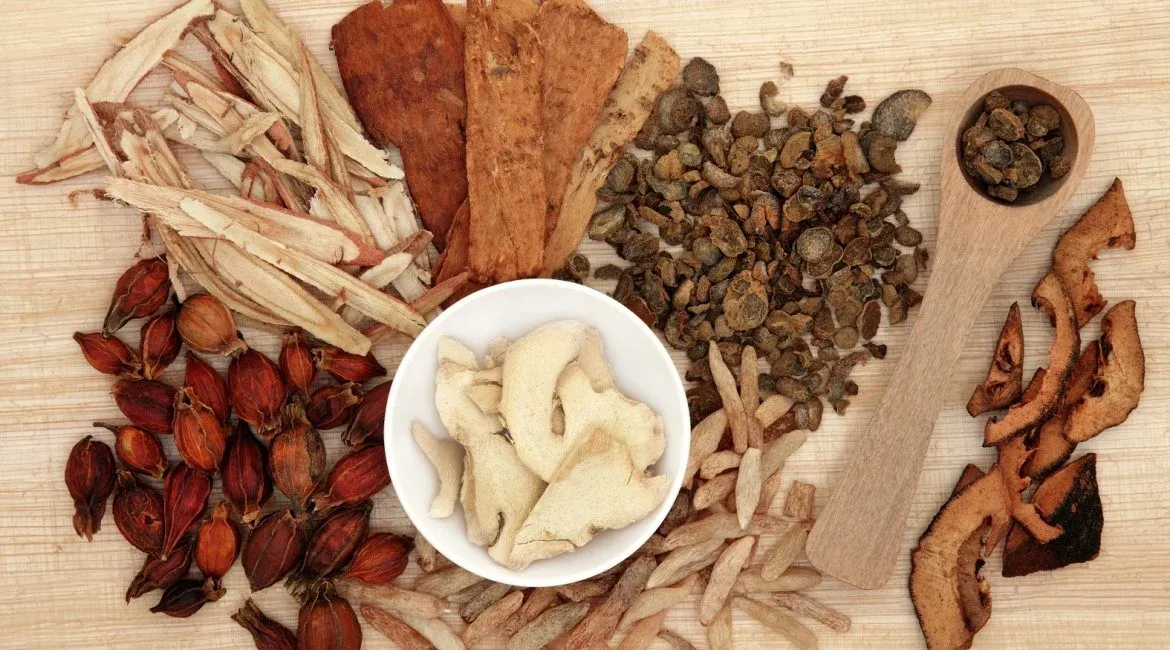
In Traditional Chinese Medicine, food is not merely fuel but medicine that helps balance the body. Each food has specific properties: hot, warm, cool, cold, and the five flavors (sour, bitter, sweet, spicy, salty), which affect organs and energy in the body.
Eating according to seasons is important. Summer calls for cooling foods like cucumber and watermelon to clear heat. Winter requires warming foods like ginger, garlic, and chili to keep the body warm. Rainy season means avoiding dampness-producing foods like sweets and fatty foods.
Eating according to constitution helps balance the body. Those with cold constitutions and cold hands and feet should eat warming foods and avoid cold items. Those with internal heat, dry mouth, and dry throat should eat cooling foods and avoid fried and overly spicy foods.
Health-promoting foods in TCM include Chinese dates for nourishing blood and Qi, wolfberry for liver and kidney support, cordyceps for energy, goji berries for eyesight, and reishi mushroom for immunity. These can be added to daily meals.
Beyond food types, eating methods matter. Eat warm foods, avoid ice-cold drinks, eat at regular times, don't overeat, chew thoroughly, and avoid late-night eating. Following these principles helps the digestive system function well and maintains overall health.